Free-Weight Areas
Start with the weights, drop height and subfloor. The whole floor build-up matters.
- Maximum weights and how they are used
- Local protection beneath lifting stations
- Sound and vibration requirements
Flooring Solutions
Match the floor to the demands of each training zone.
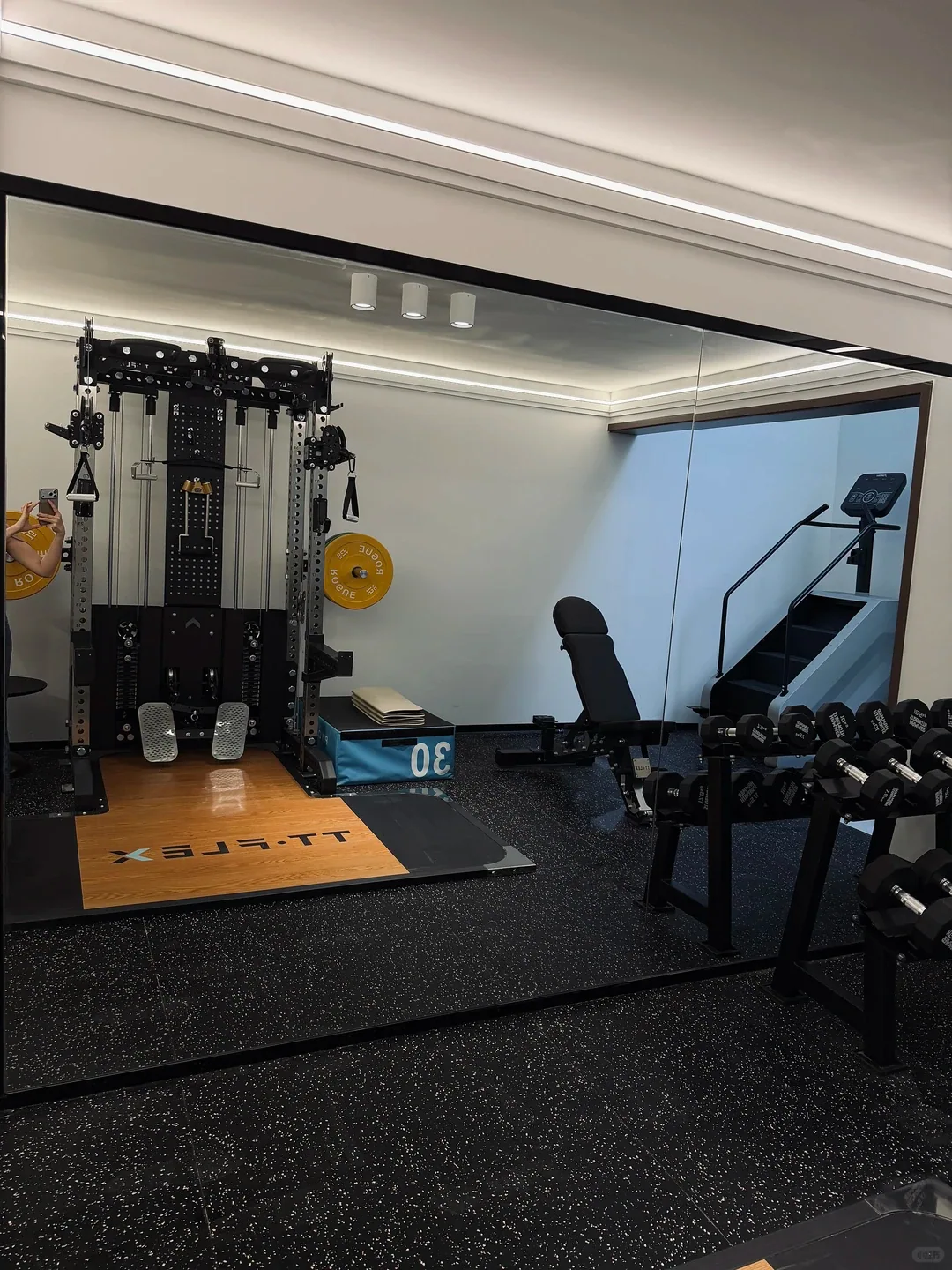
Start with the area you are planning.
Start with the weights, drop height and subfloor. The whole floor build-up matters.
Consider machine feet and concentrated loads when selecting the surface and installation method.
Describe floor exercises, footwork and equipment movement to find the right surface direction.
Before You Choose
A few project details help narrow the specification.
Find Your Use
Explore the space, then compare its flooring requirements.
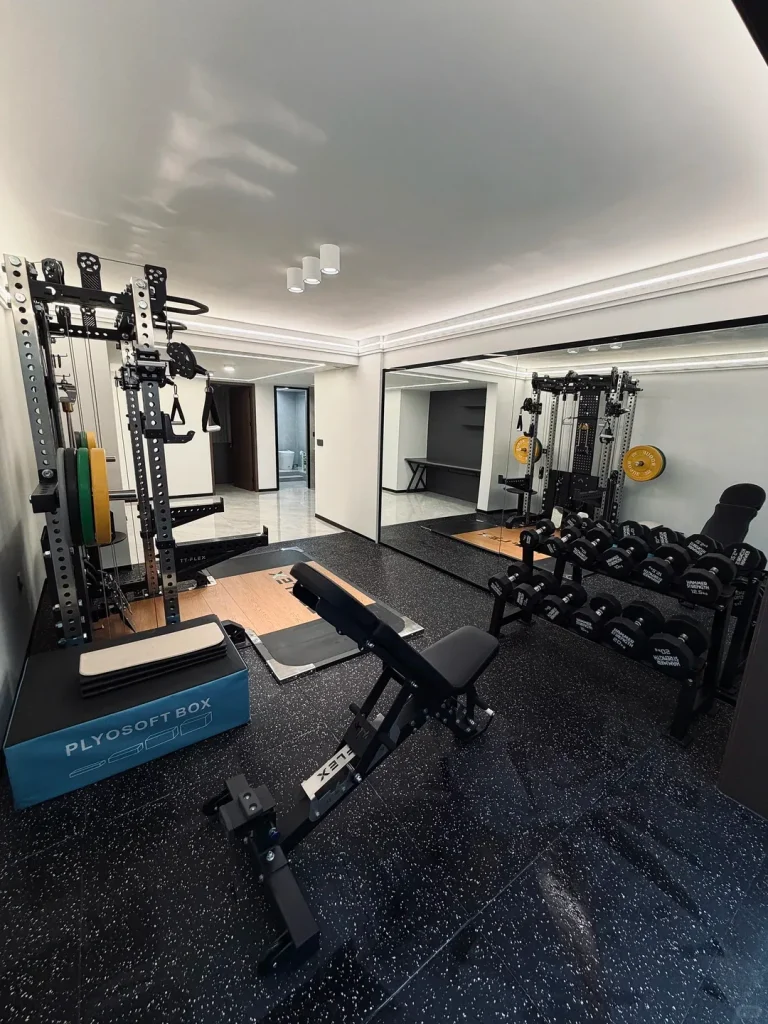 GymsRubber flooring for strength and equipment zones.
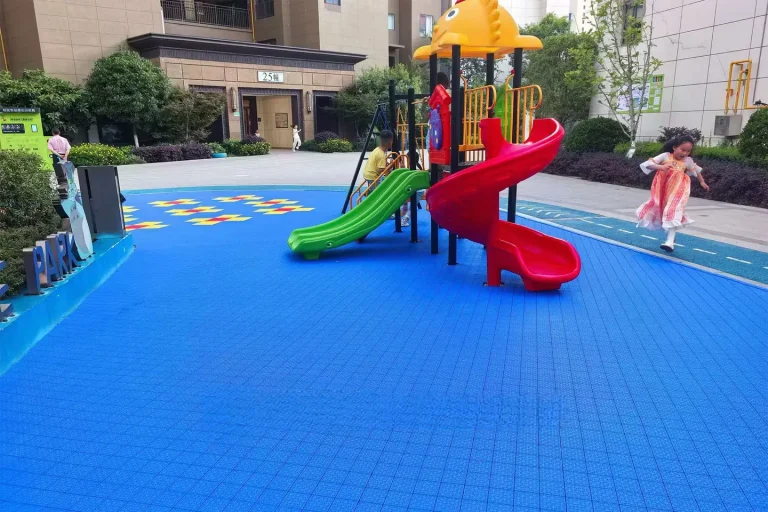 PlaygroundsChoose a tested playground surface build-up.
Review an outdoor-rated rubber specification.
Rubber flooring for strength and equipment zones.
Thickness alone does not establish impact protection. We need the load, drop height, subfloor and use pattern to review a suitable floor build-up.
Only if the selected product and installation are suitable for weather, drainage and temperature exposure. Do not assume an indoor gym mat is outdoor-rated.
Not automatically. Playground equipment requires a tested impact-attenuating system for the specified fall height. Gym flooring should not be substituted without that evidence.
Not necessarily. Weight areas, studios, training lanes and reception spaces have different needs. A zoned plan can combine rubber with an appropriate turf or vinyl specification.
Send your dimensions, intended use and site photographs.